
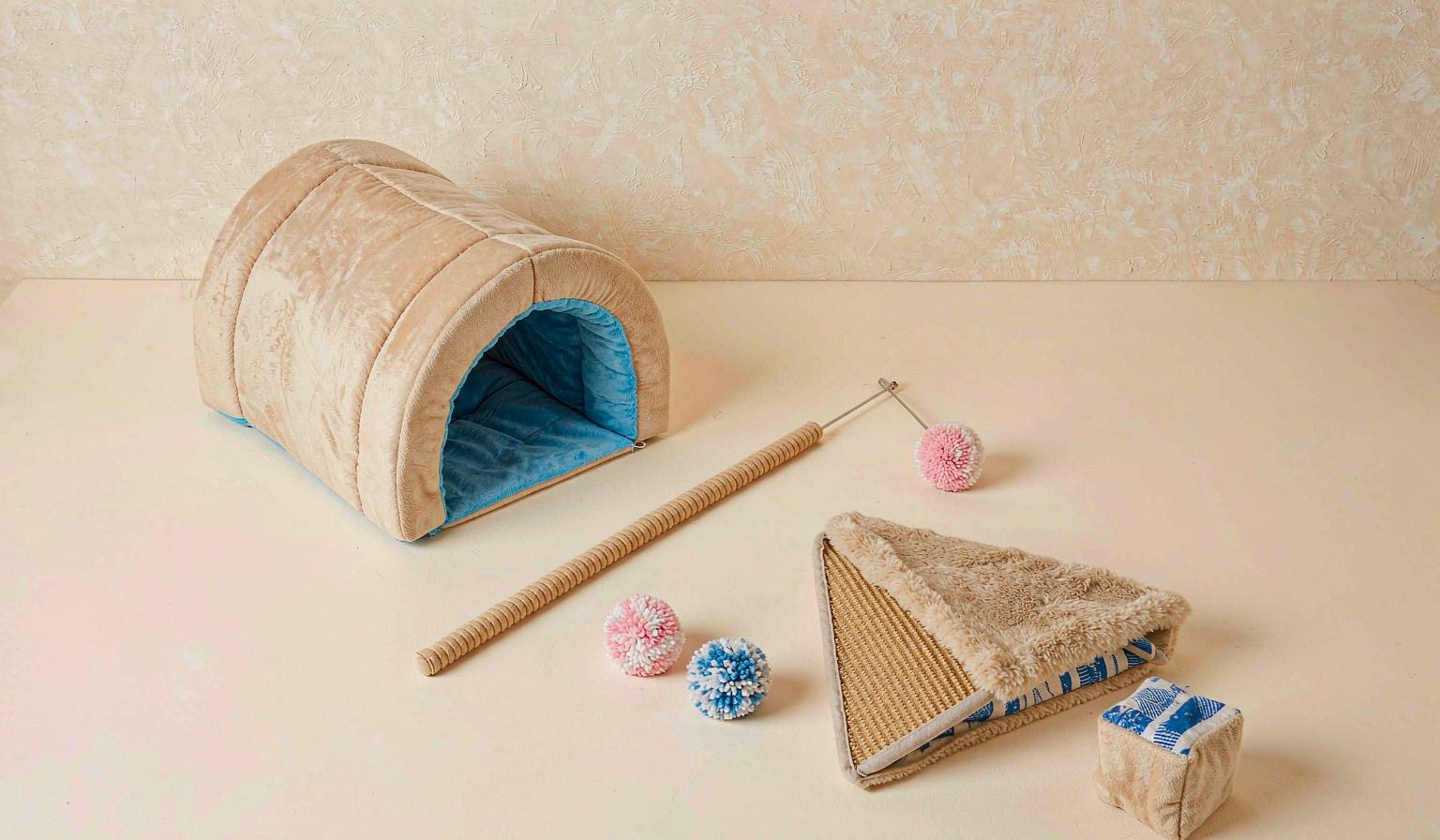
Market Snapshot: Why Cat Toys Keep Converting
Cat toys are one of the highest-velocity, lowest-friction categories in the pet aisle, and they behave very differently from dog toys. Cats are solo players, impulse buyers dominate the segment, and the average overseas consumer replaces or rotates toys far more often than they admit. For Amazon FBA and TikTok Shop resellers, that translates into repeat purchases, strong bundling potential, and a category where a private-label SKU can reach profitability without a seven-figure ad budget.
The trade-off is margin compression from cheap commodity sellers and the ever-present risk of chemical or choking hazards. This report breaks the cat toys category into its real sub-segments, gives you concrete price bands and margin math, and points to the private-label openings that still have room in 2026.
Sub-Category Breakdown
The cat toys category splits cleanly into five commercial segments:
- Catnip & herb toys — stuffed mice, bananas, and fish filled with North American or Chinese catnip. Highest impulse conversion, lowest perceived value, easy to private label.
- Wand & teaser toys — interactive rods with feathers, ribbons, or crinkle attachments. Strong attach rate with new-cat owners and a natural bundle with catnip toys.
- Ball & track toys — plastic or wood tracks with rolling balls. Durable, giftable, and a good "subscription box" filler.
- Electronic & motion toys — flopping fish, laser pointers, and automated chase devices. Premium price band, higher return risk if motors fail.
- Scratch & play combos — cardboard scratchers with attached toy elements. Cross-sells into the cat furniture space.
Spec & Comparison Table
| Segment | Common Materials | Price Band (USD) | Typical Margin % | Buyer Intent | Private-Label Ease |
|---|---|---|---|---|---|
| Catnip & herb toys | Cotton/polyester plush, organic catnip | $3–$9 | 55–70% | Impulse / replenishment | Very easy |
| Wand & teaser toys | Fiberglass rod, nylon, feather, crinkle film | $4–$14 | 50–65% | New-owner / bundle | Easy |
| Ball & track toys | ABS plastic, FSC beech, silicone | $8–$22 | 45–60% | Gift / durable play | Moderate |
| Electronic & motion | ABS, electronic motor, Li-ion cell | $12–$38 | 35–55% | Premium / novelty | Hard (compliance) |
| Scratch & play combos | Corrugated cardboard, sisal, glue | $10–$28 | 48–62% | Furniture protection | Moderate |
Margins above assume a landed FOB cost out of a China-based supplier like Elieben and a standard 30–45% Amazon/FBA fee stack. Electronic toys lose 10–20 points to battery compliance (UN38.3, MSDS) and higher defect rates, which is why private-label newcomers should start in the plush and wand segments.
Best-Seller Product Profiles
1. Catnip Banana Plush (Impulse Hero)
- Specs: 12 cm soft plush, 100% organic catnip fill, double-stitched seams, weighted base for bat-and-play.
- Quality notes: Check for azo-free dyes, no small detachable eyes, and third-party catnip purity certificate. Request a 5 kg crush-test on seams.
- Sourcing: MOQ 500–1,000 units; FOB $0.85–$1.40; 25–35 day production.
2. Feather Wand Teaser (Bundle Anchor)
- Specs: 45 cm flexible rod, bell + natural feather head, replaceable attachments.
- Quality notes: Feathers should be food-safe dyed; rod must pass a 5,000-flex cycle test; bell must be welded shut (no swallow risk).
- Sourcing: MOQ 300–800 units; FOB $1.10–$1.90; fast 20-day turnaround.
3. Ball Track Roller (Gift SKU)
- Specs: 3-tier ABS track, 3 jingle balls, non-slip base, 28 cm diameter.
- Quality notes: Verify BPA-free plastic, rounded edges, and that balls cannot be removed by a determined cat.
- Sourcing: MOQ 600–1,200 units; FOB $2.40–$3.80.
These three cover impulse, bundle, and gift intent and can launch a cohesive private-label cat toy line with one consolidated shipment. See the full range on our Cat Toys category page.
Quality & Sourcing Checklist
Buyers sourcing from China should lock down the following before mass production:
- Material safety: Azo-free dyes, phthalate-free PVC, BPA-free plastics. Request test reports (CPSIA for US, EN71 for EU).
- Choking hazards: No loose bells, beads, or button eyes. Welded or embroidered features only.
- Seam strength: Batch-test plush seams at 5 kg pull; reject lots above 2% failure.
- MOQ discipline: Plush and wand toys start at 300–1,000 units; tracks and electronic units at 600+. Mix SKUs within a category to hit consolidated MOQs.
- Lead time: Standard 20–35 days; add 10–15 days for private-label packaging and a pre-shipment inspection.
Elieben's cat product catalog and cat grooming tools line let you bundle toys with complementary care items in a single PO.
Private-Label & 2026 Trend Notes
Three openings are worth your attention in 2026:
- Eco plush — recycled polyester and naturally dyed catnip toys are winning "green pet parent" shelf space on Amazon and TikTok Shop.
- Calm & enrichment — post-pandemic, buyers want "stimulate but don't over-excite" toys; slow-feed puzzle balls crossed with play are trending.
- TikTok-native novelty — flopping fish and motion toys succeed as video-first products but need strict motor QC to protect account health.
Private-label ease is highest in catnip and wand toys, where a custom print, hang-tag, and polybag can differentiate a SKU for under $0.30 per unit in added cost.
Building Your First Cat Toy Shipment
For a first import, consolidate three to five SKUs into one 20-foot container or a shared LCL booking to spread the fixed inspection and freight cost across more units. A typical starter mix is 60% catnip plush, 25% wand teasers, and 15% ball tracks, which balances impulse velocity with a slightly higher gift ASP. Plan for a 30-day production window plus two weeks of ocean or air freight, and reserve a 5–10% buffer for quality rejects so a failed batch never empties your listing. Book a third-party AQL 2.5 inspection and photograph the pre-shipment lot so any dispute is documented before the container leaves the port. If you list on Amazon, pre-load keyword-rich titles and bundle two plush SKUs together to lift average order value above the category median and improve conversion through perceived value.
FAQ
Q: What cat toy segment has the best margin for a new private-label seller?
A: Catnip and herb plush toys deliver 55–70% typical margins with very easy private-label execution and MOQs as low as 500 units, making them the safest starting point before moving into wand and track toys.
Q: How much should I budget for safety compliance on cat toys?
A: Budget roughly $300–$800 for CPSIA or EN71 testing per material group. Plush and wand toys are cheap to certify; electronic motion toys add UN38.3 and MSDS battery documentation that can double compliance cost.
Q: What MOQ can I expect from a China-based cat toy supplier?
A: Plush and feather wand toys usually run 300–1,000 units; ball tracks and scratch combos 600–1,200 units; electronic toys 1,000+ due to tooling. Consolidating several SKUs in one order helps clear MOQ thresholds.
Q: Which cat toys are safest to avoid returns and negative reviews?
A: Avoid small detachable parts, loose bells, and button eyes. Welded bells, embroidered features, and double-stitched seams cut return rates sharply. For electronic toys, insist on a pre-shipment motor burn-in test.
Internal Resources
- Browse the full Cat Toys line.
- See all Cat Products.
- Request private-label pricing and MOQs: Contact us.
- More category reports on the Elieben Blog.





